Shoes for all 42.195 kilometres
Marathon shoes for everyday runners
Four hours on your feet creates different practical demands from two. But does that mean choosing a different type of shoe? We look at the research and let Finder compare target pace, weight and race conditions.
Watshoo editorial team ·
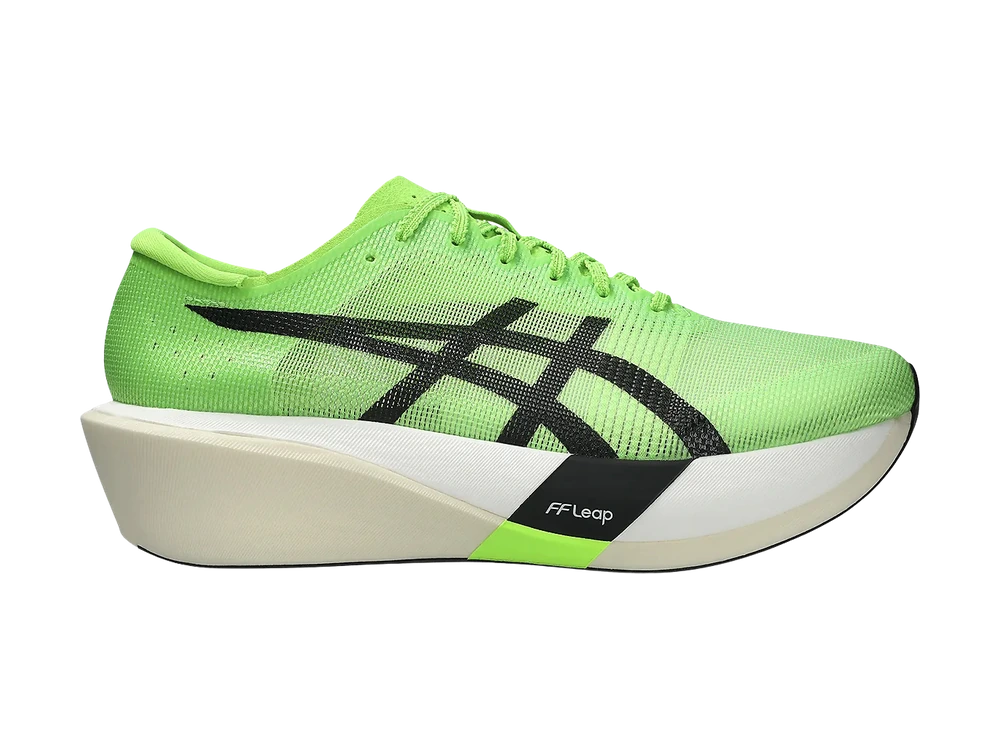
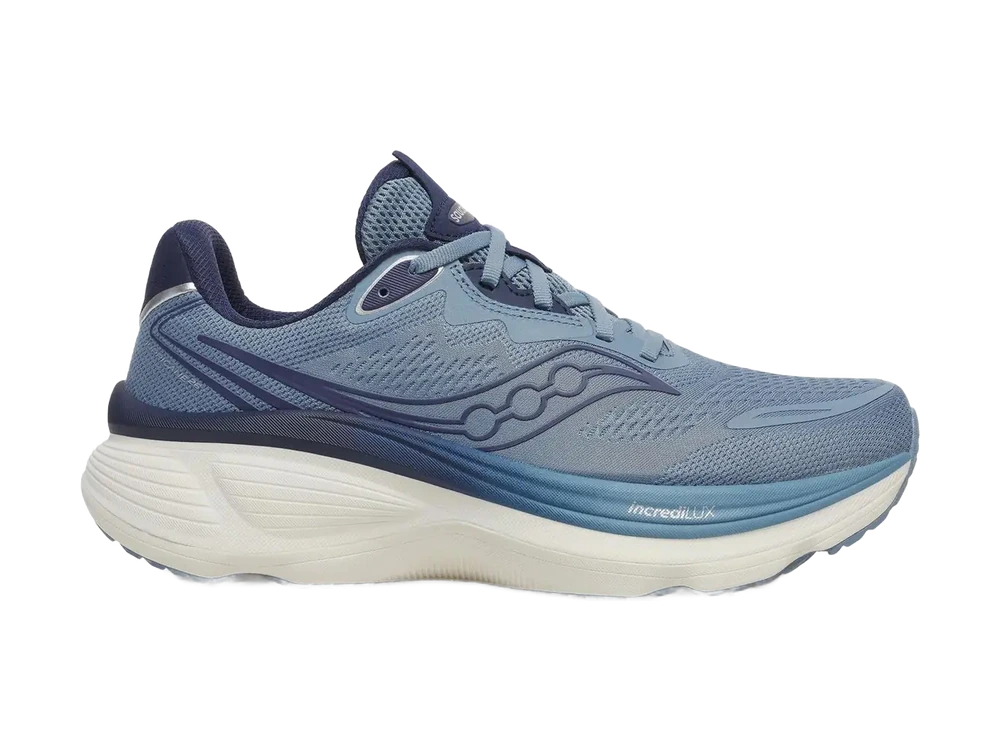
Supershoes can help recreational runners
There is no established universal pace at which carbon “switches on”.
The shoe needs to work all the way
Assess fit, control and comfort when your legs are tired too.
One part of the picture
Weighing 95 kg does not automatically mean you need the softest or most stable shoe.
Same distance · different demands
What kind of marathon will your shoes run?
A shoe that feels light and lively for a few minutes also needs to fit well and remain manageable at the finish. For recreational runners, it helps to consider both target pace and total time on your feet.
Calculated for 42.195 km and rounded to the nearest second. These are example finish times, not ability thresholds for shoe types.
Research findings
Are you too slow for supershoes?
Research does not support a blanket yes. However, the effect varies with the model, comparison shoe and runner.
Vaporfly at recreational running speeds
at 5:00/km
at 6:00/km
Vaporfly Next% 2 was compared with a shoe adjusted to the same weight. The finding at 5:00/km was statistically significant. At 6:00/km, the difference was more uncertain and not statistically significant.
Short treadmill bouts. This was neither a marathon trial nor a test of the shoes in today's ranking. Source 1
Benefits down to 8:00/km
5:00–8:00/km
On Cloudboom Echo 3 had a lower oxygen cost than Cloudrunner 2 across the tested speed range. The researchers found no clear relationship between speed and the size of the difference.
Three test days, but few and relatively young participants. One racing shoe against one training shoe cannot represent every model or heavier runners. The laboratory reports support from On for other work. Source 2
What does this mean for you? A supershoe may be worth trying for a four- to five-hour marathon too. Lower oxygen cost in a laboratory does not guarantee the same percentage improvement in finish time.
Carbon plate, foam and rocker: where does the benefit come from?
Supershoes combine low weight, compliant and resilient foam, sole geometry and often a stiff plate. Their interaction matters. A plate alone does not tell you how efficient a shoe will be for you.
In a study of Vaporfly 4%, cutting the carbon plate produced no statistically significant change in running economy. This does not show that plates are irrelevant in every shoe, but it challenges the idea that greater stiffness automatically means more speed. Source 3
Remember the distinction: Soft foam describes how the sole compresses. Bending stiffness describes how much the shoe bends. A shoe can be both very soft and very stiff. Read more about stiffness and loading in our shoe rotation article.
Does the advantage last when your legs get tired?
A trial with 15 trained runners compared Saucony Endorphin Pro 3 and Kinvara during 60 minutes of treadmill running. The racing shoe showed a smaller rise in oxygen uptake during the run and less decline in a jump test afterwards. Source 4
This is an interesting indication that shoes can affect more than the opening minutes. But one hour in trained runners does not establish what a particular model does after five hours in a recreational runner. Claims that a shoe “saves your legs” for an entire marathon are therefore something to investigate in your own training.
Three Finder examples
Different pace. Different weight. Different candidates.
Here are the top three in three specific marathon searches. Use them as examples of shoes to try, then run your own search with your circumstances.
4:00 hours · 5:41/km · 80 kg
Racing shoes lead the ranking
Metaspeed Edge Tokyo leads this search. The small gap to the next models is a good reason to try several candidates.
5:00 hours · 7:07/km · 95 kg
A plate-free option on top
Hurricane 26 comes first. Carbon is therefore not necessary to find a highly ranked marathon candidate.
6:00 hours · 8:32/km · 115 kg
Two plate-free shoes in the top three
Hurricane 26 and Megablast have no plate; Cloudboom Strike 2 has one. Different shoe types can be relevant in the same search.
Finder match out of 100 · Calculated on 26 September 2026. Scores describe suitability for the search, not a review grade, time saving or injury protection.
Assumptions behind the examples
All three cover 42.195 km on flat, dry asphalt. Responsiveness and agility preferences are neutral at 3 out of 5. Current running capacity and personal shoe experience are unspecified; Finder uses its default estimate. No price, brand or plate filters were applied. There were 262 eligible models.
Enter your actual capacity separately from your target finish time when searching. Course, weather conditions and your own experience can change the result.
From shortlist to start line
Choose the pair you trust after many kilometres
1. Fit first
Check toe room, heel hold and pressure points with your race socks. A high score cannot compensate for poor fit.
See the fit guide2. Try them in relevant training
Start short. Then try the shoes on a planned longer run with some target-pace running. Assess comfort and control towards the end.
3. Compare them on your feet
Try two or three candidates, preferably against a familiar pair. Decide after several runs, and test walking if you plan walk breaks.
Compare the shoesHeavier runner: do you need softer shoes?
Weight alone cannot answer this. A study of 848 recreational runners found a higher overall injury risk with the harder of two prototypes. The difference was statistically significant in lighter runners, but not in heavier runners. That does not prove heavier runners should choose hard shoes. One co-author was affiliated with Decathlon. Source 5
Overall research on shoes and injury prevention is uncertain. Assess fit and feel during longer runs; soft foam or a high stability score is no guarantee against injury. Source 6
Remember race rules – and adaptation
A Finder ranking is not approval for a particular race. For example, ASICS lists a 45 mm heel stack for Megablast. Check which rules the organiser applies to your category. World Athletics · ASICS
Try major changes in drop, rocker or stiffness well before race day. Read more about shoe rotation and loading.
Original sources and limitations
Read more about the evidence
Open the eight sources and their limitations
- Joubert, Dominy & Burns (2023): running economy at 10 and 12 km/h16 runners, short treadmill bouts, Vaporfly Next% 2 against a weight-matched control. Abstract reviewed; uncertain result at 10 km/h.
- Bolliger, Spengler & Beltrami (2026): supershoes at 7.5–12 km/h14 runners and three test days. Published full text. On models; the laboratory reports manufacturer support for other work.
- Healey & Hoogkamer (2022): bending stiffness in Nike VaporflyIntact and cut carbon plates in one shoe model. Not a general test of all plates.
- Steele et al. (2026): oxygen uptake and fatigue during 60 minutes of running15 trained runners. Abstract reviewed. Endorphin Pro 3 against Kinvara; not a four- to five-hour marathon.
- Malisoux et al. (2020): cushioning, body weight and injuriesRandomised study with 848 recreational runners, two prototypes and six months of follow-up. Abstract reviewed.
- Cochrane (2022): running shoes and injury preventionSystematic review. Considerable uncertainty in several comparisons; not evidence that a high Finder score prevents injury.
- World Athletics: current rules and shoe regulationsAlso check the organiser's rules for your race and category.
- ASICS: Megablast product informationManufacturer's stated stack height. This is not an independent laboratory measurement.
About product photographs and Finder results
These are existing, model-specific photographs from Watshoo's catalogue, with manufacturer origins recorded in the catalogue. No shoe in this article is AI-generated.
The Finder results are actual calculations from the dated engine and catalogue. We have not run-tested every model or conducted a controlled marathon study of them. Ranking differences are observations from the calculation. The practical advice is editorial guidance.